KAWS x Krug Grande Cuvèe 171ème: "What Hides Beneath a Name?"
- Natalie Johnson
- 2 days ago
- 3 min read

There's a particular kind of disappointment that isn't really disappointment at all. It's the feeling you get when something you've anticipated for a long time finally arrives. Instead of the fireworks you expected, you get stillness. A kind of solemn grace that you weren't prepared for, and almost miss entirely.
That's the Krug Grande Cuvée 171ème Édition.

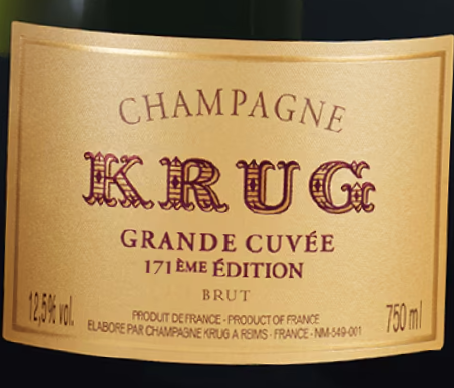


You've heard the name. Maybe you've seen it on a list, noticed the price, filed it away as something to reach for on a significant occasion. The name carries weight the way certain artists do, not because you've spent time with the work, but because the culture has already decided it matters. You finally open the bottle, pour the glass, watch the bubbles rise in that particular way Krug does, deliberate and fine, then you wait for the emotion to transfer.
It doesn't. Well that's not true. It doesn't transfer in the way you expected.
What's in your glass is more complex than a year on a label. The 171ème is Krug's Grande Cuvée, not a vintage Champagne but a constructed one. Blended from 131 wines across 12 different years, the youngest from 2015 and the oldest reaching back to 2000. Over 20 years of craftsmanship pressed into a single expression. Krug's own cellarmaster noted that the 2015 harvest showed restraint. The Chardonnays and Meuniers held back, so the team turned to their reserve library, pulling from 2008, 2013, and 2014 to bring energy and tension to the blend.


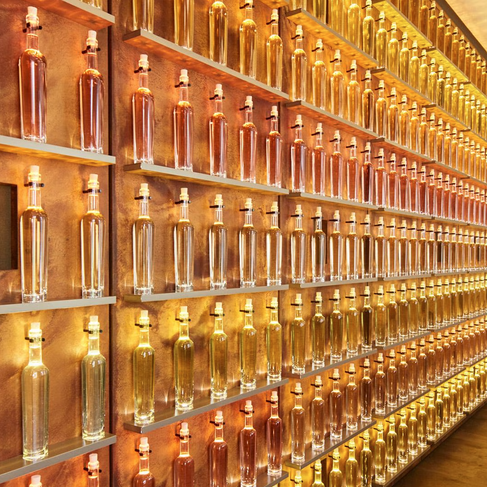
The wine is literally engineered to conceal its origins. It presents a seamless, composed canvas while something far more layered moves underneath. It whispers rather than announcing its presence, and it asks something of you that most wine, and most art, does not: slow down. Most of us are so conditioned by the name and the expectation of grandeur that we are too busy being impressed, to actually feel the artistry of the first sip.
Similar to the name notoriety of Krug, you may have also heard of KAWS. He has done collaborations with Uniqlo and Supreme. There was an inflatable Companion floating across Hong Kong Harbour and towering statues at the Rockefeller Center plaza in New York. KAWS is its own entity that represents not only a cultural language but commands a substantial price tag at auction.


While I enjoy that aspect of KAWS' body of work, for this pairing with the 171ème, I want to venture into some lesser known work. There is a somewhat dark room at the Museum of Contemporary Art Detroit (MOCAD), where five sculptural figures are arranged and visitors reportedly linger for long periods. These viewers are usually silent, pulled into something they weren't expecting to feel. The piece, GONE (2019), is a 121-inch bronze of Companion carrying another lifeless figure. Grief is on display at monumental scale, rendered through cartoon beings come to life.

KAWS is a master of color. His pigments are custom-mixed, bright and commanding, similar to how the effervescence of Krug demands the attention of your palate. There is spectacle, or maybe it's a mask, that deliberately conceals the fuller emotion underneath. The XX eyes that mark every figure in KAWS' universe suggest disconnection beneath the cheerful form. Curators have written that he introduces complex and subtle feelings of melancholy, longing, and introspection into a visual cartoon language that the world decided was just for fun. The existentialism essence is many times overlooked.
Let's take a closer look at what the Companion actually is. It's a figure created from borrowed parts. Mickey Mouse ears, cartoon gloves, and a hunched human form that are combined into a singular entity. A constructed identity built from recognizable fragments, hiding the origins so well that most people never stop to ask where the pieces came from. Sound familiar?

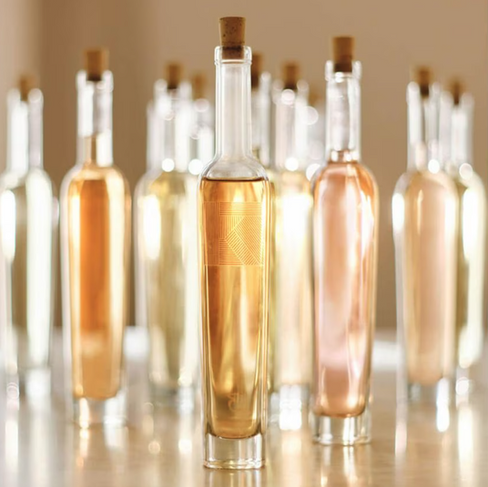


The 171ème is assembled from over a century of institutional knowledge, from 131 individual wines, from harvests across two decades. Despite everything it took to build this, it arrives in your glass looking like one seamless, effortless thing. The tension in the wine that is tightness and composure beneath the richness, is not accidental. It is purposeful engineering. The restraint of 2015 is still there, held in place by years that gave it what it couldn't find on its own.
There is tension, and both KAWS and Krug have built enough cultural gravitas to coast on reputation alone. Both are assembled from parts, shaped by years, yet presented as unified masterpieces. They promise to show you something quieter and more emotionally complex than you were promised.
So will you enjoy these pieces because of the allure of the names, or will you look past the notoriety and find what was built to hide in plain sight?


Comments