THE LINEUP
A Portugal Picnic
For more in depth information on the artists and wines, keep scrolling.
To access the menu from August's event, click here.
POUR #1

“Iberian Wolf,” 2018
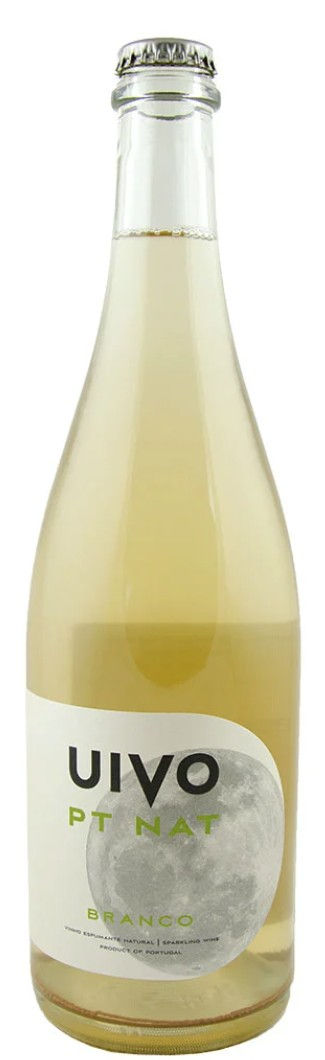
Tiago Sampaio (winemaker) grew up in a Douro wine family, earned a PhD in enology from Oregon State, then came home to break the rules he'd just spent years learning. His vineyards sit at 500–700m near Alijó, up on the the high flatlands, not the famous river-terrace Port slopes. Altitude is why this tastes cool and tense instead of sunbaked. He was among the first in Portugal to make pét-nat at commercial scale, and he helped bring curtimenta (skin-contact white) and palhete back into the mainstream.
POUR #2
The Swallow No. 52, 2020

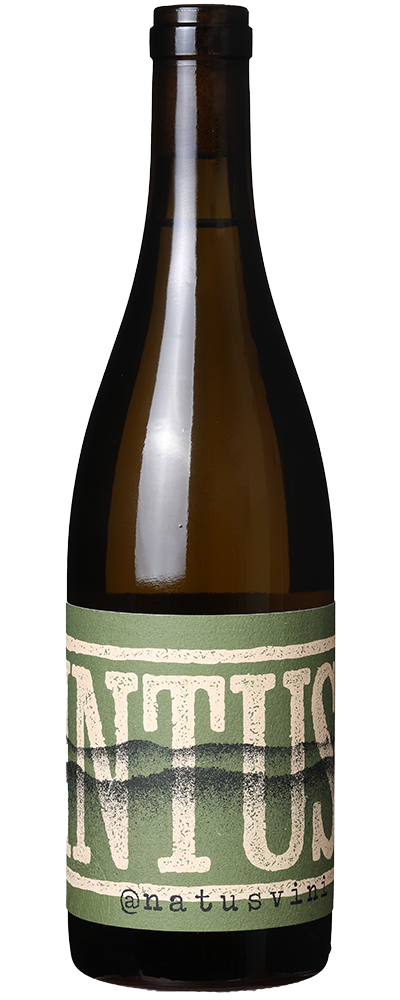
Natus 2023 ‘Intus’ Branco
Hamilton Reis was head winemaker at Cortes de Cima before he and his wife put down roots in Vidigueira to start their own family winery. He built the house in the middle of his vines and put the winery in the basement. The grapes are foot-trodden in a lagar — literally stomped — then spontaneously fermented and raised in small stainless-steel tanks. Ancient front end, clean modern back end.
POUR #3

“Doña Lubican, Iberian Lynx”
Susana Esteban was born in Tui, Spain, studied chemistry at Santiago de Compostela and oenology in Rioja, and made her name in the Douro at Quinta do Côtto and Quinta do Crasto before moving to the Alentejo. She's Galician by birth and one of Portugal's most decorated winemakers. She uses the oldest vessel in Portugal and then applies modern control to it to make these creations.

POUR #4

The Foxes, 1913
Talha winemaking was introduced by the Romans more than two thousand years ago, and the know-how has passed down through generations in this village continuously. This is the oldest living winemaking technique in Western Europe, still being used by people in a village of a few hundred. Palhete means white and red grapes fermented together in the same vessel. It's not a rosé and it's not a red — it's a third thing that predates our categories. The ritual detail people love: the wine is drawn from the pots just after St. Martin's Day, November 11th, and bottled straight away, with about 2.5 months of skin contact. These are the wines locals actually drink in the village adegas.

POUR #5

Sky Born
He got a degree in Biotechnological Engineering, then went straight into wine. He worked his way from cellar hand to head winemaker at Quinta da Murta in Bucelas by 2010, while running a blog dedicated to uncomplicating wine for drinkers. In 2016 he ran the first crowdfunding campaign in Portugal to finance pre-selling bottles to "patrons" at a discount to prove you don't need capital to start a winery.

Silicio's wolf and the moon on the label are night companions, which suits a wine the night made. The vines sit at 600 meters on the Douro's high plateau, where cold nights are the only reason a wine from this scorched region tastes this fresh, and four years on it pours cloudy and gentle, bruised apple and bread dough with barely a fizz left, better suited to the quiet end of an evening than the toast at the start.
Why They Pair?
Becker's swallow is caught mid-flight on an almost empty page, the bird and nothing else. The wine works the same way, old co-planted vines from Vidigueira made lean and saline with no weight to carry, so both are defined by what got left out.
Why They Pair?
A lynx in a Renaissance collar might make you smile, because you are looking at something that could never be real. It is a clear choice, and Paquette's perspective is on full display. Susana Esteban makes the same kind of choice in the glass, taking old vines nobody was paying attention to and fermenting them in the oldest vessel in the Alentejo, then refusing to use it the way tradition says she should.
Why They Pair?
Marc fractured his foxes into overlapping red planes so you cannot tell where one animal stops and the next begins. That is exactly what a palhete is, red and white grapes grown in the same rows and fermented together, refusing to resolve into a rosé or a red no matter how long you look at it.
Why They Pair?
Gooch photographs the majestic Lusitano against open sky: mane, motion, and power that resonates as lightness. Hugo Mendes handles Castelão the same way, taking a grape with a workhorse reputation and making it silky and elegant instead.